SERVICE 12 — LEAKING SHOWER REPAIRS
Leaking Shower Repairs St Kilda
A leaking shower rarely announces itself at the tap. It shows up as a loose tile, a swollen skirting board, a patch of mould in the hallway or a stain on the ceiling of the flat below. We diagnose and repair leaking showers in St Kilda, Elwood, Balaclava, Windsor and nearby suburbs, then fix the cause, not only the grout you can see.

Elevation — niche, mixer and wall junctions are common places for water to get behind tile
SHEET A — WARNING SIGNS
Check the room around the shower
Walk the room with a torch. Any one of these is worth a closer look; two or more together usually mean water has been escaping for a while.
▢ Tiles that sound hollow, rock underfoot or have lifted at the edges
▢ Cracked, missing or darkened grout and silicone at the corners
▢ Damp, bubbling paint or plaster on the wall outside the shower
▢ Mould or a musty smell that returns soon after cleaning
▢ Swollen skirting boards, door frames or vanity kickers
▢ Stains on a ceiling below, or a neighbour mentioning damp
SHEET B — SECTION
Where the water gets through
Tile and grout are not waterproof on their own. They shed most of the water, and a membrane behind them is meant to catch the rest. Leaks start when one of the layers in the wall or floor fails. Our Waterproofing page explains how that membrane is built.
01
Worn grout and failed silicone
Grout cracks as a building moves, and silicone at wall and floor junctions perishes. Water then soaks into the bed beneath the tiles.
02
A damaged or missing membrane
In older flats and terraces the original waterproofing may be thin, poorly lapped at corners or absent at the hob and doorway.
03
Poor falls to the waste
A floor that does not fall towards the drain lets water sit in grout lines or run towards the screen and out into the room.
04
Penetrations: waste, mixer and niche
Anywhere the membrane is cut, for a floor waste, tapware or a recessed shelf, needs proper sealing. These details are frequent weak points.
SHEET C — REPAIR OR REBUILD
Three levels of fix
The right answer depends on what has failed and how far the water has travelled. We inspect first, then recommend the smallest fix that actually solves it.
Re-grout and re-seal
Suits showers where the tiles are firmly bonded, the membrane is sound and the problem is surface grout and silicone. Old joints are raked out, refilled and sealed.
Targeted repair
Where the fault is local, such as a leaking waste, a hob junction or a niche, the affected tiles can be lifted, the membrane repaired and the area re-tiled.
Strip and rebuild
When tiles are drummy across the floor, falls are wrong or framing has been affected, a new shower is the lasting fix. See Shower Renovations and Walk-In Showers.
SHEET D — BEFORE YOU ENQUIRE
What to photograph
Clear photos help us understand the shower before we visit. Take them in daylight with the bathroom light on, and have them ready when you request a quote.
— The whole shower, standing at the bathroom door
— Close-ups of cracked grout, silicone and any loose tiles
— The floor waste and the hob or threshold
— The wall on the other side of the shower
— Any stains on skirting, flooring or a ceiling below
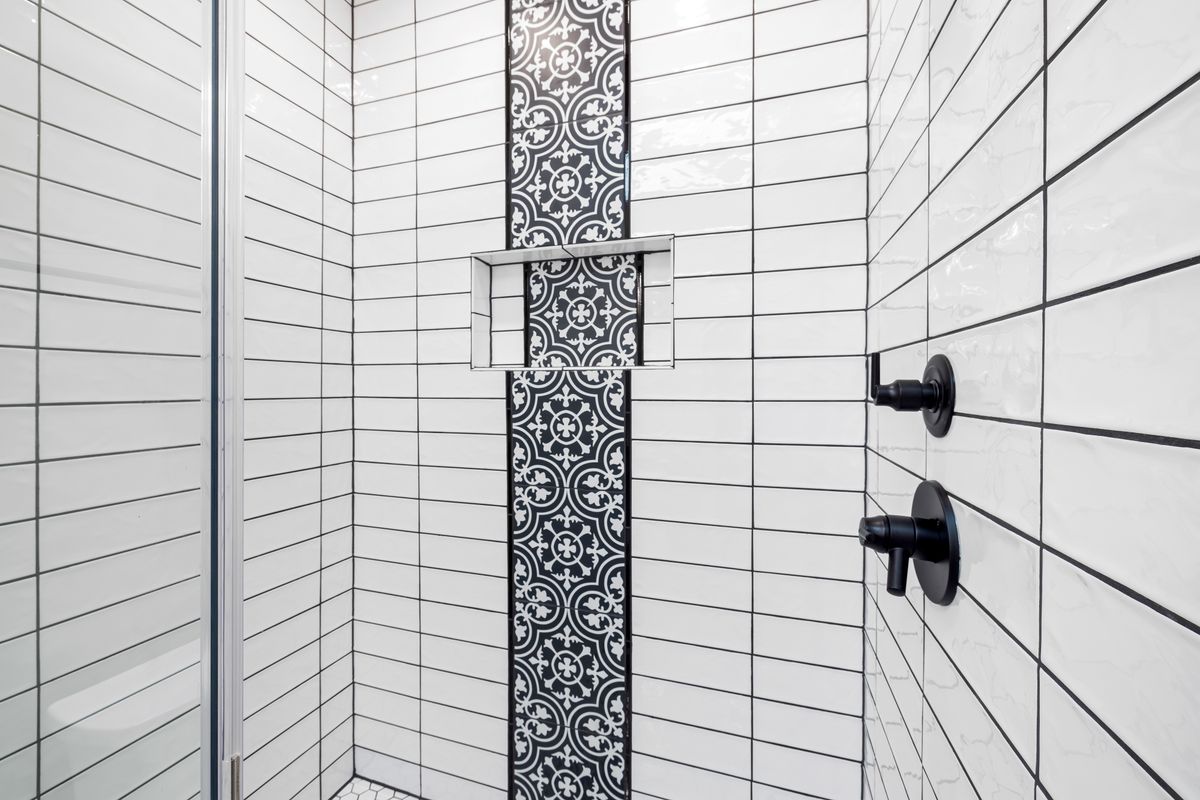
Detail — photograph grout lines at corners, around the niche and beside fixtures
SHEET E — QUESTIONS
Leaking shower questions
Can I just seal over the grout?
A surface sealer can help with sound grout, but it will not fix a failed membrane, poor falls or a leaking waste. Sealing over a deeper fault can hide the problem while damage continues.
Is mould outside the shower always a leak?
Not always. Poor ventilation causes mould too. Mould combined with damp plaster, swollen timber or lifting tiles nearby points more strongly to water escaping the shower.
I live in an apartment. Does that change anything?
Leaks in apartments can reach a neighbour’s ceiling, so acting early matters. It is also worth checking with your owners corporation before work starts, as some buildings have rules for wet-area work.
Should I renovate the whole bathroom instead?
If the bathroom is dated and the shower needs rebuilding anyway, it can make sense to plan both together. Our Complete Bathroom Renovations page covers that option.
RELATED SHEETS
Found a sign of a leak?
Describe the room in your message, and have these photos ready if we ask for them. You can also contact us with a question first.